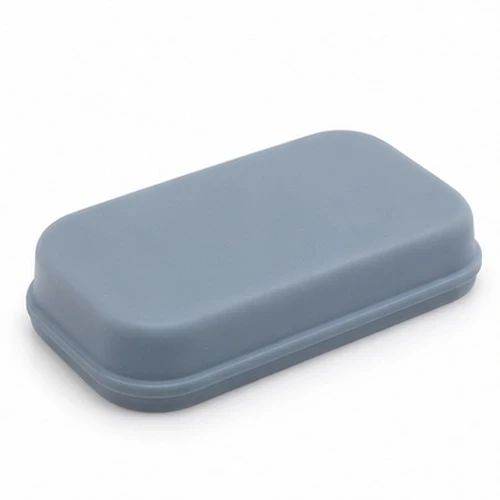


SWKS Seal, with over 10 years experience, is one of the leading custom silicone battery pack thermal expansion cushion manufacturers and suppliers in China. And we also offer the customized service catering to your special requirement. Please be free to buy the rubber products with competitive price from us.
Custom Silicone Battery Pack Thermal Expansion Cushion
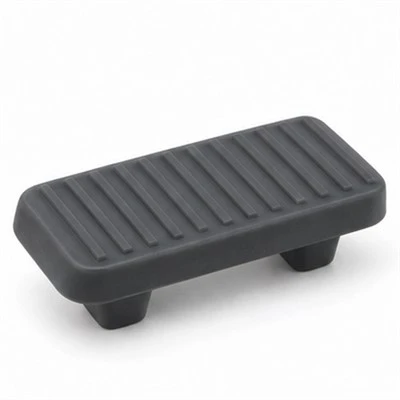
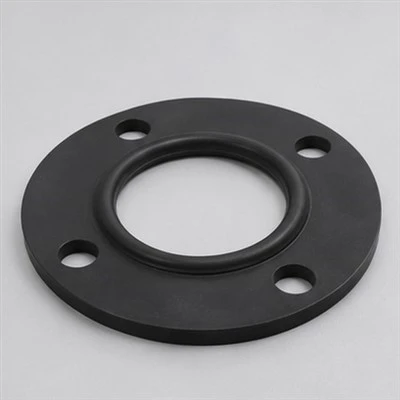
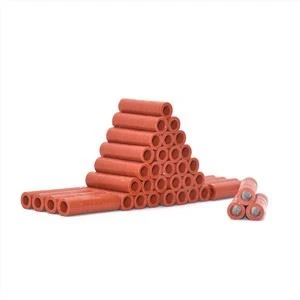
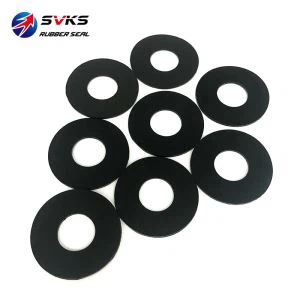
SVKS manufactures a compliant silicone cushion located at a defined interface in the battery pack to the approved project specification. Please share the installation drawing, working conditions and quantities so that the sample program can be scoped against the intended assembly. The white-background reference images illustrate potential part geometry for discussion.
Product specifications
| Material | Silicone grade per approved specification |
|---|---|
| Processing | Custom rubber molding |
| Component | a compliant silicone cushion located at a defined interface in the battery pack |
| Mating interface | the module cover or support plate |
| Drawing | STP / STEP / IGS with dimensioned reference drawing |
| Acceptance | load versus displacement in the specified fixture |
Define the working gap
Start with the stack condition at the cushion location. The approved section should show the surfaces that load the cushion, the direction in which the assembly closes and any travel stop that limits compression. Record the shortest and tallest stack conditions separately. If the pack structure bends during assembly, note where the stack measurement was taken. The cushion should be quoted against that actual envelope rather than against a nominal gap alone.
Confirm the load path
A cushion that fits into a recess may react differently when its edges can spread than when those edges are captured. Mark which edges are confined and which are free, then show the depth of the pocket, entry chamfer, and the nearby hardware. If the part contacts a cell-facing or electrical interface, ask the equipment team to define the allowed contact area, force and material requirements.
Capture the compression response
Provide the target working displacement, loading rate and test temperature if load is an acceptance item. Request the loading and recovery curves from a fixture that reproduces the production contact surfaces. If the application includes a long dwell, specify its duration and when height or load is measured after release. A hardness value may be useful for material identification but it does not describe the response of a fully assembled stack.
Review molding and relief
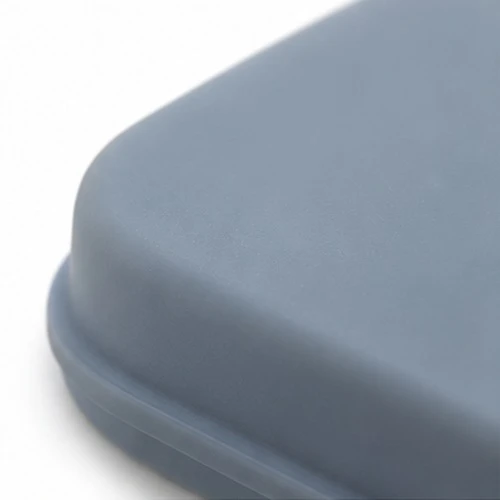
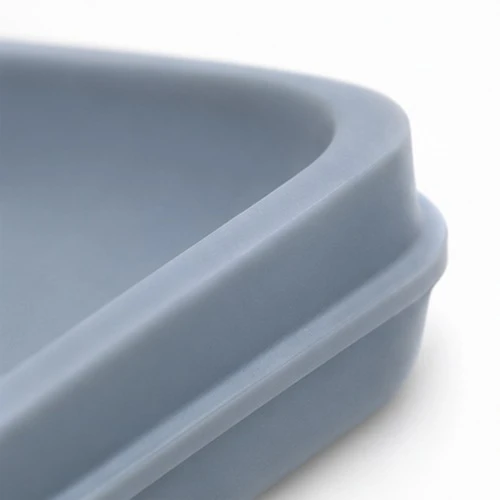
A broad cushion may include a stepped perimeter or shallow retention features. Identify which surface must sit flush, whether a parting witness is permitted along exposed edges and where any molding marks could interfere with the support plate. Include a note on how free-state profile is measured. A measurement that forces a flexible cushion flat can conceal properties that matter during assembly.
Keep claims tied to data
Tell us what the pack designer wants to accomplish at this interface and which behavior will be verified at the system level. Requirements for thermal transfer, flame response, electrical properties, chemical exposure or long-term compression should be called out individually and supported by the requested test method and compound grade. Sample appearance, color and softness alone are insufficient evidence for any of these characteristics.
Separate sample variants
If an early build uses two heights or firmness levels, assign them separate drawing or trial identifiers. Match each bag to its sample inspection sheet and record the location in the pack where it was tried. Keeping the results separate will help identify whether the response came from part geometry, the selected compound or a change in the support structure.
Compare the first sample with the intended assembly
Before placing a tooling order for a compliant silicone cushion located at a defined interface in the battery pack, identify where the sample will be installed and who will interpret the trial. A sample sent to a purchasing office, a drawing review group and a test shop can acquire three different usage labels. Provide a single trial designation that stays with the drawing, material and delivery. The first article team can then check the unloaded height and compressed footprint against the build specification and record any areas where the part did not settle in a repeatable position. Preserve photographs when they show a useful relationship, such as how the component sits against the module cover or support plate. If a fixture was used, record the fixture revision and describe the condition of hardware that can wear or be replaced. In a later trial, repeat the same setup before attributing a change to tooling or the compound.
Show one service condition at a time
Give the design and test teams the same description of the service event used to evaluate this component. Include the starting assembly condition, how the machine moves or is loaded, and the stage where a reading is taken. In a development report, name variables that were deliberately changed and note which values were held constant. For load versus displacement in the specified fixture, a trial at a single condition may be enough to confirm assembly access, while an approved operating range can call for further evidence. Ask the equipment owner to specify that range and the order of conditioning. If the trial uses hand assembly or a bench fixture, note how those conditions differ from the production sequence. Where samples are handled by multiple teams, use a brief report with the same labels for observations and repeat tests.
Release a drawing that can be inspected
Use dimension letters or numbers consistently on the drawing and inspection report. Critical features can be shown in a larger section when a full part view makes their start and end ambiguous. Distinguish the unloaded height and compressed footprint from decorative or reference dimensions. Provide a measuring setup for flexible features where the supporting surface has a material effect on the result. In addition to the nominal dimensions, give limits for clocking or position wherever orientation is important to the fit. If a geometry check requires the module cover or support plate, confirm whether production hardware, a representative fixture or a supplier-built gauge will be available. Agree which revision determines acceptance if the dimensioned drawing and three-dimensional model give slightly different information. Report the observation that led to each requested change so that a correction can be checked once a new sample is available.
Review the tool using the approved geometry
A tool review can be completed against a controlled drawing before the first parts are molded or cast. Its purpose is to show how the part will enter, leave and be trimmed from the tool. Confirm which marks the finished part may carry, which edges must remain untouched, and which face the inspector should place on the reference surface. For a compliant silicone cushion located at a defined interface in the battery pack, identify any hidden seating feature and its nominal profile in a cross-section. Discuss whether a change to the proposed parting location would affect the unloaded height and compressed footprint. Where a tool might be altered after qualification, document the revision and keep an example that represents the accepted work. Ask the tool builder and equipment owner to agree on the revision that will be used for the next sample run.
Keep material and geometry records connected
Record the requested Silicone grade on the drawing or purchase specification and list any documents needed at delivery. If the compound is still being considered, give each candidate a trial code and store the results with that code. If future production permits a material change, determine who reviews the revised grade and which checks need to be repeated. The component drawing and material agreement can reference one another while keeping their revision histories legible. In the sample report, record any difference between the delivered lot and the specification before doing load versus displacement in the specified fixture. When testing needs a witness sample, define which compound, finish or manufacturing stage it should represent. Save that evidence together with the approved assembly revision and keep implementation dates available to the receiving team.
Plan packaging around how the part arrives
Flexible parts can adopt the shape imposed by the package during handling or storage. If the incoming appearance is checked immediately on opening a carton, specify how the articles should be supported and whether they can touch one another. For the unloaded height and compressed footprint, provide the handling condition under which the check should be made. Give the supplier the target unit count and preferred method for labelling outer and inner packs. Consider whether a sample intended for the module cover or support plate should be protected separately from parts sent for material testing. Record equipment-specific cleanliness and storage conditions in the ordering documents when applicable. Where more than one revision is supplied to the same site, use a label that lets receiving personnel distinguish both the variant and the material before they open the package.
Close the sample decision before production
List the quantity needed at the drawing review, at first article and at the expected order stage. Note whether all initial parts go to one location, how they will be divided, and what documentation should accompany each shipment. The production scope can then name the inspection items, packing condition and quote assumptions that follow approval. If the first article differs from the drawing, record the agreed correction and determine whether the follow-up checks require a new run or an updated report. Refer to load versus displacement in the specified fixture in the release checklist only when it applies to the approved stage. A retained sample can support a later comparison if its label includes the drawing reference, manufacturing lot and the approval decision. Provide estimated annual demand when it helps determine the appropriate tooling or cavity configuration.
See related OEM rubber products for other custom components.
Request a quotation
Email your drawings, trial requirements and estimated order quantities to amanda@tjswks.com. Include the drawing and material revision that the quotation should reference.
Hot Tags: custom silicone battery pack thermal expansion cushion, China, manufacturers, suppliers, customized, price