

SWKS Seal, with over 10 years experience, is one of the leading custom fkm semiconductor chemical valve stem seal manufacturers and suppliers in China. And we also offer the customized service catering to your special requirement. Please be free to buy the rubber products with competitive price from us.
Custom FKM Semiconductor Chemical Valve Stem Seal
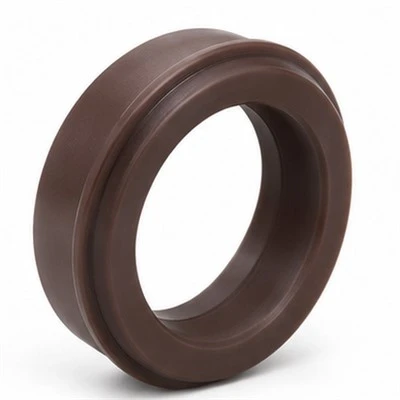
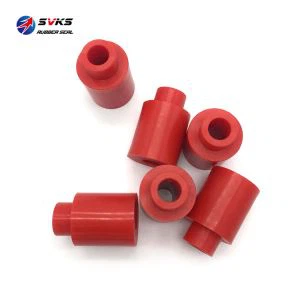
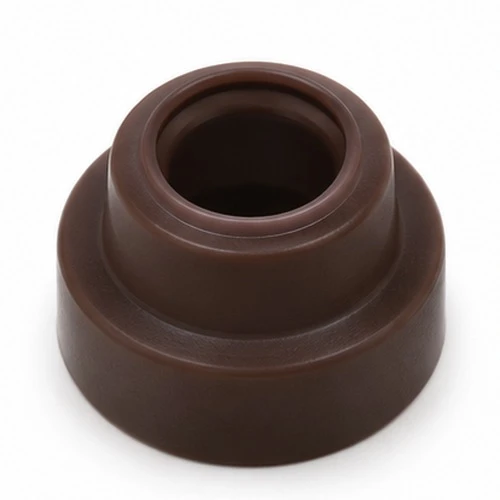
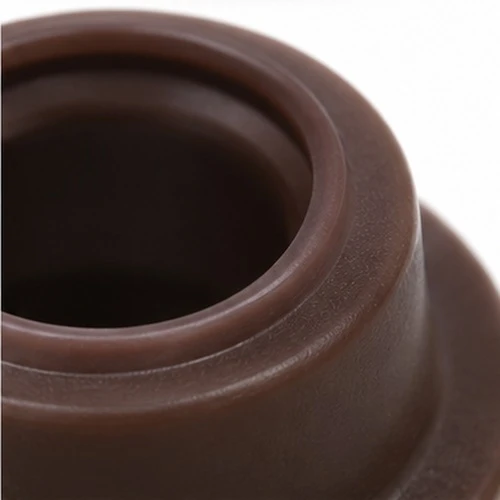
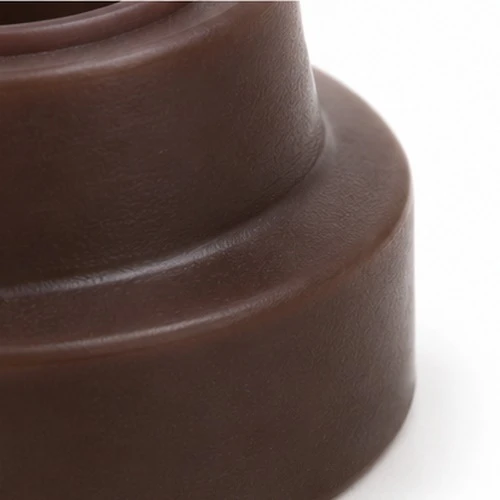
SVKS manufactures a molded FKM seal for a defined chemical valve stem assembly to the approved project specification. Please share the installation drawing, working conditions and quantities so that the sample program can be scoped against the intended assembly. The white-background reference images illustrate potential part geometry for discussion.
Product specifications
| Material | FKM grade per approved specification |
|---|---|
| Processing | Custom rubber molding |
| Component | a molded FKM seal for a defined chemical valve stem assembly |
| Mating interface | the machined stem and gland |
| Drawing | STP / STEP / IGS with dimensioned reference drawing |
| Acceptance | fit and sealing performance in a representative valve fixture |
Establish the direction of installation
A stem seal drawing should show the pressure-facing side, the direction of assembly, and any step or thread the sealing edge passes during installation. Include the gland and the shaft in the same sectional view. Place detail callouts around the contact line that must remain free of nicks after assembly. Where a helper sleeve is used, identify the sleeve shape and when it is removed.
Specify FKM for the actual exposure
Name the chemicals or blends in contact with the seal and list the concentration, temperature, frequency and dwell for each relevant exposure. Capture cleaning, purge and maintenance steps as well as routine use. Share any customer-approved grade, restrictions or documentation requirements before selecting a candidate. FKM is a family of materials and compatibility depends on both the compound and the process conditions.
Handle rotary and axial motion separately
Record whether the stem rotates, travels axially, or combines the two actions. Note the movement sequence and how long the valve may sit inactive. Shaft finish and stem runout should be referenced to the actual contact zone. A seal riding across a blended radius or interrupted shaft surface should be evaluated in the representative hardware before moving beyond samples.
Set limits around the active lip
Use an enlarged detail to define the lip angle, edge radius and allowable flash at the sealing surface. Give the drawing a practical way to identify which diameter is measured in the free state and which is checked with the seal supported. If parting is constrained by the cavity, agree on a witness location outside the working edge before cutting production tooling.
Agree on qualification evidence
Tell the supplier whether the acceptance review includes leak checks, installation force, breakaway force, chemical conditioning or contamination checks. State the test setup and evaluate the finished seal in a representative assembly. Requests for cleanliness, product contact, extractables or traceability should identify the specified limits and records. A coupon can help compare candidate compounds but it cannot reproduce the completed valve geometry.
Flag the service replacement conditions
Report whether technicians extract and replace the seal from one side or take apart the valve body. Include any restrictions on the cleaning agent, fixture or assembly aids used during service. A sample trial can compare the ease of insertion and recovery in the actual access space, then document how to inspect the stem before the new seal is installed.
Compare the first sample with the intended assembly
Before placing a tooling order for a molded FKM seal for a defined chemical valve stem assembly, identify where the sample will be installed and who will interpret the trial. A sample sent to a purchasing office, a drawing review group and a test shop can acquire three different usage labels. Provide a single trial designation that stays with the drawing, material and delivery. The first article team can then check the working lip and stem bore against the build specification and record any areas where the part did not settle in a repeatable position. Preserve photographs when they show a useful relationship, such as how the component sits against the machined stem and gland. If a fixture was used, record the fixture revision and describe the condition of hardware that can wear or be replaced. In a later trial, repeat the same setup before attributing a change to tooling or the compound.
Show one service condition at a time
Give the design and test teams the same description of the service event used to evaluate this component. Include the starting assembly condition, how the machine moves or is loaded, and the stage where a reading is taken. In a development report, name variables that were deliberately changed and note which values were held constant. For fit and sealing performance in a representative valve fixture, a trial at a single condition may be enough to confirm assembly access, while an approved operating range can call for further evidence. Ask the equipment owner to specify that range and the order of conditioning. If the trial uses hand assembly or a bench fixture, note how those conditions differ from the production sequence. Where samples are handled by multiple teams, use a brief report with the same labels for observations and repeat tests.
Release a drawing that can be inspected
Use dimension letters or numbers consistently on the drawing and inspection report. Critical features can be shown in a larger section when a full part view makes their start and end ambiguous. Distinguish the working lip and stem bore from decorative or reference dimensions. Provide a measuring setup for flexible features where the supporting surface has a material effect on the result. In addition to the nominal dimensions, give limits for clocking or position wherever orientation is important to the fit. If a geometry check requires the machined stem and gland, confirm whether production hardware, a representative fixture or a supplier-built gauge will be available. Agree which revision determines acceptance if the dimensioned drawing and three-dimensional model give slightly different information. Report the observation that led to each requested change so that a correction can be checked once a new sample is available.
Review the tool using the approved geometry
A tool review can be completed against a controlled drawing before the first parts are molded or cast. Its purpose is to show how the part will enter, leave and be trimmed from the tool. Confirm which marks the finished part may carry, which edges must remain untouched, and which face the inspector should place on the reference surface. For a molded FKM seal for a defined chemical valve stem assembly, identify any hidden seating feature and its nominal profile in a cross-section. Discuss whether a change to the proposed parting location would affect the working lip and stem bore. Where a tool might be altered after qualification, document the revision and keep an example that represents the accepted work. Ask the tool builder and equipment owner to agree on the revision that will be used for the next sample run.
Keep material and geometry records connected
Record the requested FKM grade on the drawing or purchase specification and list any documents needed at delivery. If the compound is still being considered, give each candidate a trial code and store the results with that code. If future production permits a material change, determine who reviews the revised grade and which checks need to be repeated. The component drawing and material agreement can reference one another while keeping their revision histories legible. In the sample report, record any difference between the delivered lot and the specification before doing fit and sealing performance in a representative valve fixture. When testing needs a witness sample, define which compound, finish or manufacturing stage it should represent. Save that evidence together with the approved assembly revision and keep implementation dates available to the receiving team.
Plan packaging around how the part arrives
Flexible parts can adopt the shape imposed by the package during handling or storage. If the incoming appearance is checked immediately on opening a carton, specify how the articles should be supported and whether they can touch one another. For the working lip and stem bore, provide the handling condition under which the check should be made. Give the supplier the target unit count and preferred method for labelling outer and inner packs. Consider whether a sample intended for the machined stem and gland should be protected separately from parts sent for material testing. Record equipment-specific cleanliness and storage conditions in the ordering documents when applicable. Where more than one revision is supplied to the same site, use a label that lets receiving personnel distinguish both the variant and the material before they open the package.
Close the sample decision before production
List the quantity needed at the drawing review, at first article and at the expected order stage. Note whether all initial parts go to one location, how they will be divided, and what documentation should accompany each shipment. The production scope can then name the inspection items, packing condition and quote assumptions that follow approval. If the first article differs from the drawing, record the agreed correction and determine whether the follow-up checks require a new run or an updated report. Refer to fit and sealing performance in a representative valve fixture in the release checklist only when it applies to the approved stage. A retained sample can support a later comparison if its label includes the drawing reference, manufacturing lot and the approval decision. Provide estimated annual demand when it helps determine the appropriate tooling or cavity configuration.
See related OEM rubber products for other custom components.
Request a quotation
Email your drawings, trial requirements and estimated order quantities to amanda@tjswks.com. Include the drawing and material revision that the quotation should reference.
Hot Tags: custom fkm semiconductor chemical valve stem seal, China, manufacturers, suppliers, customized, price