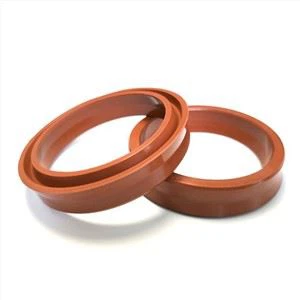

EPDM (Ethylene Propylene Diene Monomer) gaskets are widely used in various industries due to their excellent resistance to heat, ozone, and weathering. As a prominent EPDM gasket supplier, I understand the importance of adhering to strict standards to ensure the quality and performance of these gaskets. In this blog, I will delve into the key standards for EPDM gaskets, providing insights that will help you make informed decisions when selecting gaskets for your applications.
Material Composition
The first standard for EPDM gaskets lies in their material composition. EPDM is a synthetic rubber made from ethylene, propylene, and a small amount of a diene monomer. This unique combination gives EPDM gaskets their superior properties. The ethylene provides good mechanical strength, while propylene contributes to flexibility and resistance to heat and chemicals. The diene monomer is crucial as it allows for cross - linking during the vulcanization process, which enhances the overall durability and performance of the gasket.
For high - quality EPDM gaskets, the ratio of these components must be carefully balanced. A well - formulated EPDM compound should have a high ethylene content (usually between 45% - 75%) to ensure excellent physical properties. Propylene content should be sufficient to provide the desired flexibility and chemical resistance. Moreover, the diene content is typically in the range of 2% - 12%, which is optimized to achieve the right level of cross - linking.
Physical Properties
Hardness
Hardness is a critical physical property of EPDM gaskets. It is measured on the Shore A scale. The hardness of an EPDM gasket can range from as low as 30 Shore A for very soft gaskets to 90 Shore A for harder ones. The choice of hardness depends on the specific application. For example, in applications where the gasket needs to conform to irregular surfaces, a softer gasket (around 40 - 50 Shore A) is preferred as it can easily deform to fill gaps. On the other hand, in applications where high pressure sealing is required, a harder gasket (70 - 80 Shore A) may be more suitable as it can withstand the pressure without excessive deformation.
Tensile Strength
Tensile strength is another important physical property. It measures the maximum stress that a gasket can withstand before breaking under tension. A high - quality EPDM gasket should have a tensile strength of at least 7 MPa, although some industrial applications may require gaskets with tensile strengths of up to 15 MPa or more. High tensile strength ensures that the gasket can withstand the forces applied during installation and use without rupturing.
Elongation at Break
Elongation at break indicates the percentage increase in length of the gasket before it breaks when pulled. EPDM gaskets typically have an elongation at break of around 200% - 500%. A higher elongation at break means that the gasket can stretch more without tearing, which is beneficial in applications where the gasket may experience movement or vibration.
Chemical Resistance
EPDM gaskets are known for their excellent chemical resistance. They are resistant to a wide range of chemicals, including water, steam, acids, alkalis, and many polar solvents. However, the level of chemical resistance can vary depending on the specific EPDM formulation and the type and concentration of the chemical.
When selecting an EPDM gasket for a chemical - exposed application, it is essential to consider the compatibility of the gasket with the chemicals in use. For example, EPDM has good resistance to diluted acids and alkalis, but it may not be suitable for use with concentrated oxidizing acids. In addition, EPDM is generally not recommended for use with non - polar solvents such as gasoline, benzene, and toluene.
Temperature Resistance
Temperature resistance is a key factor for EPDM gaskets, especially in applications where they are exposed to high or low temperatures. EPDM gaskets can typically operate in a temperature range from approximately - 40°C to 120°C. Some special formulations can even withstand temperatures up to 150°C for short periods.
In high - temperature applications, the gasket should maintain its physical properties, such as hardness and tensile strength, to ensure proper sealing. At low temperatures, the gasket should remain flexible and not become brittle, as brittleness can lead to cracking and leakage.
Compression Set
Compression set is a measure of the ability of a gasket to return to its original shape after being compressed. A low compression set is desirable for EPDM gaskets as it ensures that the gasket can maintain a good seal over time. In general, the compression set of a high - quality EPDM gasket should be less than 30% after being compressed for 22 hours at a specified temperature (usually around 70°C).
Size and Tolerance
The size and tolerance of EPDM gaskets are also important standards. Gaskets should be manufactured to the correct dimensions to ensure proper fit and sealing. Tolerances for dimensions such as thickness, diameter, and width should be within acceptable limits. For example, the thickness tolerance of a standard EPDM gasket may be ± 0.1 mm for thinner gaskets and ± 0.2 mm for thicker ones.
Standards and Certifications
Many industries have specific standards and certifications for EPDM gaskets. For example, in the automotive industry, gaskets may need to meet standards such as ISO, SAE, or ASTM. These standards ensure that the gaskets are of high quality and suitable for use in automotive applications. In the food and beverage industry, EPDM gaskets must meet FDA (Food and Drug Administration) regulations to ensure they are safe for contact with food products.
As an EPDM gasket supplier, we are committed to manufacturing gaskets that meet these rigorous standards. Our products are tested and verified to ensure compliance with industry regulations and customer requirements.
If you are in the market for high - quality EPDM gaskets, we also offer a wide range of other related products. You can explore our Silicone O - Ring Gasket Flat Rubber Washer, Rubber Sealing Washer Gaskets, Customized Color Specification Silicone Rubber Gasket Washer, Rectangle Rubber Gasket, and Pu Material Oem Gasket In Blue Colour.
Whether you are in the automotive, food and beverage, or any other industry, choosing the right EPDM gasket is crucial for the success of your operations. If you have any questions or require further information about our EPDM gaskets or other rubber sealing products, please feel free to contact us for a detailed discussion and procurement negotiation.


References
- "Handbook of Elastomers", by Ian Franta, Marcel Dekker, Inc.
- "Rubber Technology: Compounding, Testing and Processing", by J. S. Dick, Elsevier Publishing Company.
- Industry standards such as ISO, SAE, and ASTM for rubber gaskets.