

SWKS Seal, with over 10 years experience, is one of the leading custom epdm automated packaging machine vacuum gripper seal manufacturers and suppliers in China. And we also offer the customized service catering to your special requirement. Please be free to buy the rubber products with competitive price from us.
Custom EPDM Automated Packaging Machine Vacuum Gripper Seal
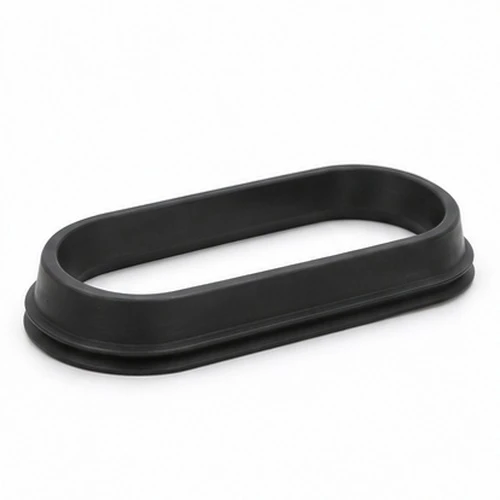
SVKS manufactures an EPDM perimeter seal for a vacuum packaging gripper to the approved project specification. Please share the installation drawing, working conditions and quantities so that the sample program can be scoped against the intended assembly. The white-background reference images illustrate potential part geometry for discussion.
Product specifications
| Material | EPDM grade per approved specification |
|---|---|
| Processing | Custom rubber molding |
| Component | an EPDM perimeter seal for a vacuum packaging gripper |
| Mating interface | the gripper groove and the contacted package surface |
| Drawing | STP / STEP / IGS with dimensioned reference drawing |
| Acceptance | pickup and release against the specified package sample |
Map the vacuum footprint
Supply a face view with the vacuum path, outline of the seal, transfer surfaces and any ports or recesses that sit near the working lip. Show whether the perimeter must follow a rectangle, oblong or path with unequal radii. An enlarged corner section helps reveal how the molded part is supported through turns where the available compression can differ from the straight spans.
Describe what the gripper handles
The fixture may lift cartons, finished pouches or trays with different surface finishes. Provide representative samples and describe where seams, printing or ridges can meet the seal. Identify how the article is supported during pickup and whether the gripper also contacts the package at an angle. Include the clean and worn surface conditions that the gripper is expected to encounter during normal use.
Check seating before vacuum trials
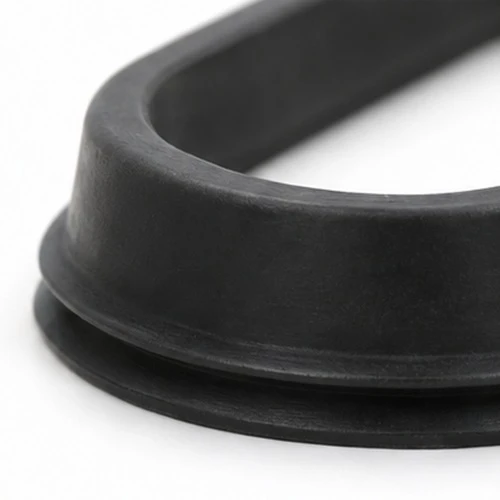
Inspect the fit in the empty groove first, then compare the working height on each side before the gripper moves through a pickup cycle. A lip tucked under at a single corner may produce a result that cannot be explained by the material hardness alone. If the gasket is removable between shifts, ask how operators identify the correct orientation and inspect it after replacement.
Record the washdown and cleaning sequence
If the gripper is cleaned, specify washing chemicals, concentrations, contact times and rinse conditions. Give the intended compound grade separately from any hygiene, traceability or regulatory requirements. Provide the customer acceptance criteria for those items and identify whether they apply to the material, the molded component or the assembled gripper.
Observe release as well as pickup
Record how the machine opens the vacuum circuit and releases the package. Check where an edge may stick or recover slowly after the load is removed. Test a clean package and typical production surfaces using the intended motion and contact position. Document force, leakage rate or pickup success only according to agreed fixtures, instruments and sample conditions.
Identify the wear feature
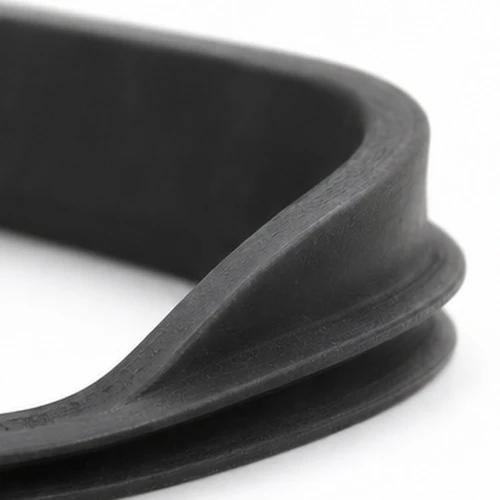
Look at the area where the contact edge first approaches and separates from the package. If that edge sees repeat abrasion, agree on photos or physical limit samples that help operators distinguish ordinary witness patterns from a torn lip or a geometry change. Give maintenance staff a repeatable way to check the seal and note the position of visible wear before replacement.
Specify the vacuum path at the tool face
Provide a drawing through the vacuum port, faceplate and retaining groove so the manufacturer can see how the EPDM section follows the perimeter. Record whether the supply port is central or branches into separate chambers. If the faceplate has ribs, vent paths, or other features immediately inside the seal, show the height and position of each. A raised rib near a narrow seal can be the first thing to touch a flexible package. Before tooling, compare the seal plan with the vacuum circuit drawing and mark any change in section near a corner, port, or fastener. Include a cross-section through the lowest contact surface to make the intended approach clear.
Pick representative packages for the first run
Give the trial team physical examples from the packaging line where possible. Include an article with the shallowest top face, the most pronounced seam or edge, and a normal production item suitable for repeated checks. If the same gripper visits multiple stations, add the approach direction and support condition at each. Record whether the package is stiff enough to hold its surface or whether the contact area changes with the fill level. Give the supplier the target contact zone and ask the equipment owner to validate acceptance at the extremes of the actual product range. A single successful pickup on a smooth rigid sample is mainly useful as a setup check.
Review lip compression from groove measurements
Compare the as-built groove and the molded seal sections before using vacuum to judge fit. Take measurements at straight sections and at changes in curvature. Record the selected gauge and how the piece was held. On the drawing, identify the surface that fixes the protrusion, the zone in which the lip can spread, and how much support it has near a corner. These details help reviewers explain a visible flat spot, an edge that pulls back, or a section that remains high after insertion. The clamp stop and tool face should be included in the fit review whenever closing position determines how the seal compresses against a package.
Agree on acceptable damage and trim
Establish what the inspection team should treat as a defect before approving the mold. A witness line on a hidden wall may be acceptable while a cut across the vacuum lip may change the behavior of the same part. Use marked pictures or retained boundary samples to make that distinction. Specify important contact edges in the drawing detail and let the toolmaker propose where the parting and trimming can be placed. If an operator inserts the seal by hand, include marks caused by the normal assembly method in the evaluation so they can be differentiated from defects present as delivered. Check the seal again after removal to see if any hidden damage is revealed.
Include the movement stages in the trial report
Take notes at approach, initial seal contact, vacuum establishment, transfer and release. A part may look properly seated on a stationary fixture while a package edge moves across it in production. If readings are required, give the measurement point, the timing after actuation, and the instruments used. Mark which cycle events need to be repeated after a setup change. Ask whether the vacuum supply, valve timing or tooling position changed during the trial. These details are valuable when comparing findings from a bench check and an installed gripper, especially where two tools use similar looking seals but different actuators or vacuum circuits.
Make replacement repeatable between shifts
Send the installation route and a note describing the direction of the working lip for seals with an asymmetric section. If a seal starts at a marked location, include a visible orientation reference for the operator. Review how a technician can reach the groove, inspect residual fragments and confirm that the complete frame sits flat following replacement. Avoid relying on the material color to identify a variant. Record the matching gripper part number, frame geometry revision and approved EPDM compound on the package label. Replaceable parts that share a similar outline can still differ in cross-section, so compare drawing references before fitting a new perimeter seal.
Review cleaning and package contact together
Tell the supplier whether the gasket contacts external packaging or any surface with a project-specific hygiene requirement. If the seal is cleaned in place, give the cleaning cycle, exposure and rinse. If the seal is removed, describe the separate cleaning and drying steps and the method used to reinstall it. Provide the material requirements for the actual contact condition and identify any certificates, named methods or batch documents ordered for the project. A part may see more exposure during cleanup than while moving a product, so keep both conditions visible in the sample plan. Where the compound is already approved, quote it by its exact designation.
Prepare an order around the gripper version
The quotation can follow a new seal drawing, an existing seal with updated dimensions, or a replacement project with a worn reference. Identify which case applies and provide both a dimensioned section and the latest available mating geometry. Give the approximate first order and expected maintenance consumption independently of initial machine build numbers. If package formats share tooling, list them with the approved seal variant and the inspection results that distinguish each setup. Request the packaging quantities required by maintenance, and specify if frames must be supported flat to protect the shape during delivery. Include any revision change that may affect seals held as spares.
Keep the seal change separate from a vacuum system adjustment
When investigating a missed pickup, first record the observed package position and the gripper configuration. Label the relevant tooling, vacuum sensor and seal on the trial sheet. If production personnel adjust a valve, sensor threshold or robot position during the review, document the change before repeating the test. This makes it possible to compare a seal replacement on the existing setup with a later equipment adjustment. Consider keeping a known production package aside for the repeat check and noting where the observed contact begins relative to the package edge.
See related OEM rubber products for other custom components.
Request a quotation
Email your drawings, trial requirements and estimated order quantities to amanda@tjswks.com. Include the drawing and material revision that the quotation should reference.
Hot Tags: custom epdm automated packaging machine vacuum gripper seal, China, manufacturers, suppliers, customized, price