
Can PU seals be used in high - pressure environments?
In the realm of industrial sealing solutions, the question of whether polyurethane (PU) seals can be utilized in high - pressure environments is one that often arises. As a long - standing supplier of PU seals, I've encountered this query numerous times from clients across various industries. In this blog, I'll delve into the technical aspects, advantages, and limitations of using PU seals in high - pressure scenarios.
Understanding Polyurethane Seals
Polyurethane is a versatile polymer known for its excellent physical properties. When used in seal manufacturing, it offers high abrasion resistance, good flexibility, and superior tear strength compared to many other common sealing materials such as rubber. These properties make PU seals suitable for a wide range of applications, from automotive to heavy - duty machinery.


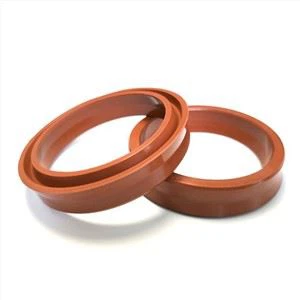
PU seals are available in different types for various purposes. For example, the Mechanical Seal Style Wiper Seal is designed to wipe contaminants away from the rod, ensuring the smooth operation of hydraulic cylinders. The Pu Wiper Seal Hydraulic V Rod Piston Seal provides effective sealing for rods and pistons in hydraulic systems.
Performance in High - Pressure Environments
One of the key factors determining whether a seal can be used in high - pressure environments is its ability to withstand the forces exerted on it. In general, PU seals have good mechanical strength, which allows them to resist deformation under high pressure. The high tear strength of polyurethane helps prevent the seal from being ripped apart when subjected to intense pressure differentials.
However, the performance of PU seals in high - pressure situations also depends on the specific formulation of the polyurethane. Some high - performance PU compounds are engineered to handle extreme pressures. For instance, our Customized Molded Polyurethane Seals Products can be tailored to meet the high - pressure requirements of different industries. These customized seals are designed with specific chemical compositions and physical properties to ensure optimal performance under high - stress conditions.
Another aspect to consider is the temperature. High - pressure environments often generate heat, and the temperature resistance of the seal material is crucial. Polyurethane has a relatively good temperature range, but it can vary depending on the formulation. In high - pressure applications where heat is generated, it's essential to choose a PU seal with appropriate temperature resistance to avoid degradation and loss of sealing performance.
Advantages of Using PU Seals in High - Pressure Environments
- Abrasion Resistance: In high - pressure systems, there is often a significant amount of movement between components. The excellent abrasion resistance of PU seals allows them to maintain their integrity even when in constant contact with moving parts. This reduces the risk of wear and leakage over time.
- Flexibility: PU seals can conform to irregular surfaces and adapt to the shape of the sealing area. This flexibility is particularly beneficial in high - pressure environments where there may be slight variations in the mating surfaces. It ensures a tight seal and prevents fluid leakage.
- Chemical Resistance: Polyurethane has good resistance to a wide range of chemicals, including hydraulic fluids, oils, and some solvents. This makes PU seals suitable for use in high - pressure systems where they may come into contact with various substances.
Limitations and Challenges
- Compression Set: Under long - term high - pressure conditions, PU seals may experience compression set. This means that the seal may not fully recover its original shape after the pressure is released. Compression set can lead to reduced sealing performance and potential leakage. To mitigate this issue, proper seal design and material selection are crucial.
- Limitation in Extreme Temperatures: While polyurethane has a decent temperature range, in extremely high - temperature high - pressure environments, it may degrade more quickly. Special high - temperature formulations may be required for applications where temperatures exceed the normal operating range of standard PU seals.
Applications in High - Pressure Industries
PU seals are widely used in industries where high - pressure conditions are common. In the hydraulic industry, UHS UN Type Hydraulic U Lip Ring Seal is often employed in high - pressure hydraulic cylinders. These seals help maintain the pressure within the cylinder and prevent fluid leakage, ensuring the efficient operation of the hydraulic system.
In the oil and gas industry, PU seals are used in pumps, valves, and other equipment that operate under high - pressure conditions. They are also used in heavy - duty machinery such as excavators and loaders, where high - pressure hydraulic systems are essential for the equipment's operation.
Comparison with Other Sealing Materials
When considering high - pressure applications, it's important to compare PU seals with other common sealing materials like NBR Fabric V Packing Chevron Seal. Nitrile rubber (NBR) is another popular sealing material, but it generally has lower abrasion resistance and tear strength compared to polyurethane. In high - pressure systems with a lot of movement, PU seals may offer better long - term performance.
However, NBR has its own advantages, such as better resistance to some specific chemicals in certain applications. The choice between PU seals and NBR seals ultimately depends on the specific requirements of the high - pressure environment, including pressure levels, temperature, chemical exposure, and the type of movement involved.
Conclusion
In summary, PU seals can be used in high - pressure environments, but their performance depends on several factors such as the specific formulation, seal design, temperature, and chemical exposure. With proper material selection and design, PU seals offer excellent abrasion resistance, flexibility, and chemical resistance, making them a suitable choice for a wide range of high - pressure applications.
As a supplier of high - quality PU seals, we are committed to providing customized solutions to meet the unique high - pressure requirements of our clients. If you're in need of reliable sealing solutions for your high - pressure systems, I encourage you to reach out to us for further consultation and procurement discussions. We have the expertise and experience to help you choose the right PU seals for your application and ensure the optimal performance of your equipment.
References
- "Handbook of Seals and Sealing Technology" by John D. Milewski
- "Polyurethane Elastomers" by George Woods