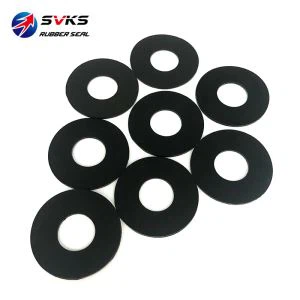


Advantages and Disadvantages of EPDM Rubber
Ethylene propylene diene monomer (EPDM) resists sunlight, ozone, oxygen, aging, acids, alkalis, water, and severe weather conditions. This odor-free elastomer also provides excellent color stability and high heat resistance. Typically, service temperatures range from -70° C to 250° C. All EPDM rubber isn’t the same, so differences in ethylene content and the dienes that are used can affect physical properties.
EPDM generally provides good tensile strength and elasticity. Tensile strength, the resistance to breaking under tension, is measured in pounds per square inch (PSI). With EPDM, typical values are in the 1000 PSI range. Elasticity, a measure of a material’s ability to resume its normal shape after being stretched or compressed, is expressed as a percentage. With EPDM, this percentage is typically in the 300% range.
The main disadvantage of EPDM is its unsatisfactory resistance to certain categories of chemicals. In addition to gasoline, diesel fuel, and motor oil, EPDM is not recommended for use with synthetic diester oils, lubricants found in some types of industrial machinery. EPDM also provides unsatisfactory resistance to Freon, a category of fluorocarbons that are used as refrigerants.
Custom EPDM seals are sometimes used instead of silicones, nitriles, or thermoplastic elastomers (TPEs). Silicones can withstand lower and higher temperatures, but they lack EPDM’s resistance to abrasion, cutting, and tearing. EPDM also provides better tensile strength. For resistance to fuels, greases, and oils, nitrile is a better choice. TPE costs more than EPDM rubber but is recyclable.


Do you need custom EPDM gaskets seals? For assistance, contact SWKS seal
Hot Tags: rubber grommet seal molded epdm rubber seals, China, manufacturers, suppliers, customized, price